Brick repair in Vallejo CA - mortar joints that match your wall and keep water out
Crumbling or sandy mortar between your bricks? We rake out the bad joints and refill them so the wall sheds water again.
When does a brick wall need repair, and what does it take?
Brick repair in Vallejo usually means clearing the old, crumbling mortar out of the joints and packing in fresh mortar, which stops water from seeping in, keeps the bricks from cracking and stops the wall from getting weaker.
Most calls start when a joint turns to sand under your finger, a brick works loose, or you notice gaps where water can get behind the face. The price depends on how much wall needs work, how tall it is, how deep the mortar has gone and which finish you choose. The schedule depends on whether we find a bigger problem to fix first, whether the city needs to review the job and whether the weather lets fresh mortar cure. I give you the figure for your wall at the estimate, after I've walked it with you and explained what I'd do and why. If the worst of it is up on the roof, our chimney repair work covers that.
How we handle brick repair from start to finish
Before we touch a joint, I look for bigger warning signs like foundation cracks or water in the basement, because those need sorting out first or the new joints won't last. Then we help you pick a finish, either mortar that blends with the old or sharp joint lines that stand out, and we match the mix to what's already in your wall, since the wrong fix can do more harm than the crumbling did. Our crew clears the loose mortar out of each joint down to sound material, swaps out bricks that have cracked through, packs the joints full and tools them to the finish you chose. We clean the mortar film off the brick face and leave the yard the way we found it.
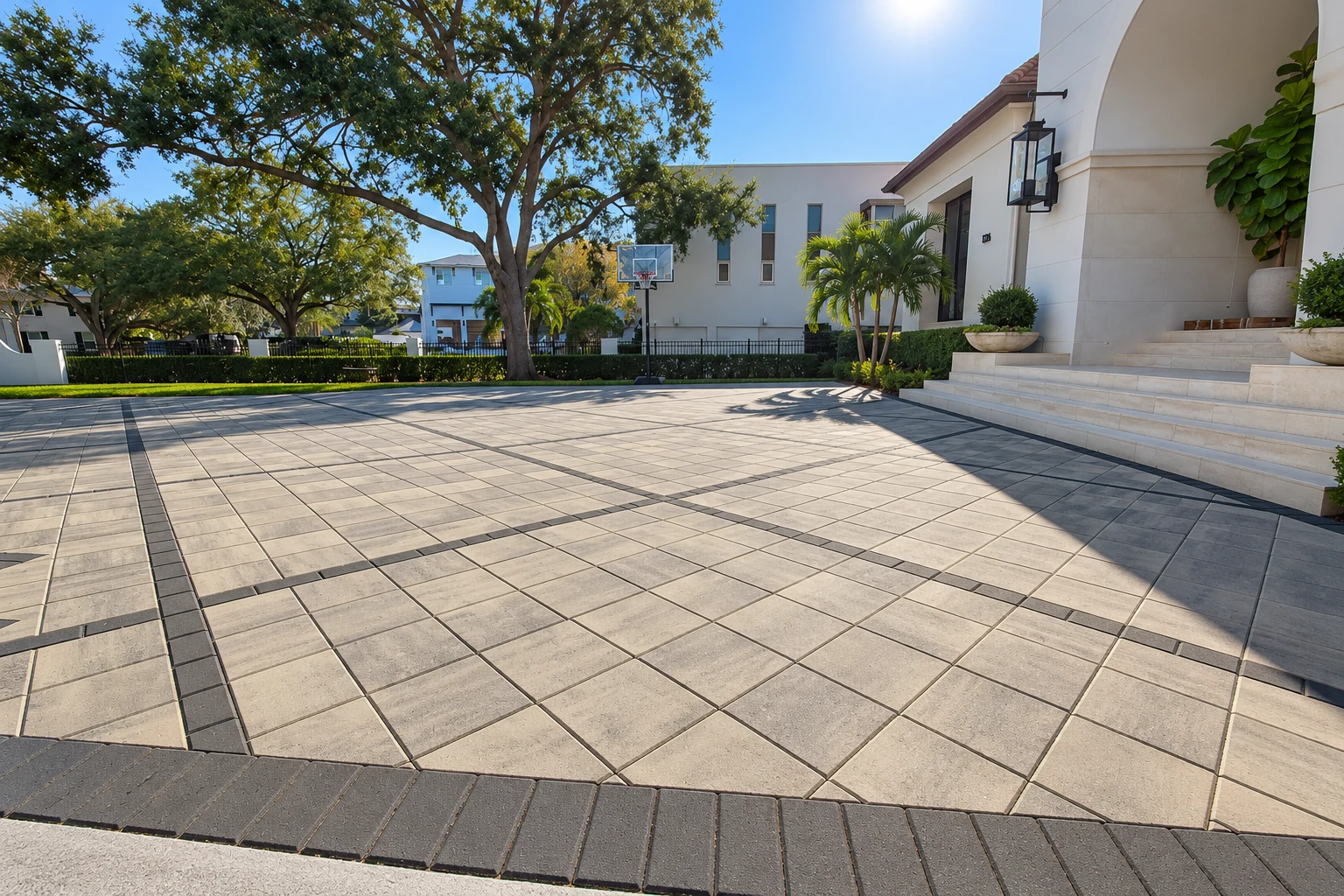
Brick repair often sits next to other work around the house. When the brick edging along your drive is falling apart, it can be a good time to talk about driveway pavers. A brick wall that's started to lean from the soil behind it usually needs retaining wall construction rather than new joints.
Why Vallejo homeowners call J&R for brick repair
I look at each job myself
I come out to every estimate, and I'm on site with our crew of masons while the repair gets built, the way I learned on commercial jobs before starting this business in Vallejo in 2023. I'd rather point at a bad joint and explain it so you can make the call yourself than hand you a number and leave.
Fully licensed and insured, every job
We're fully licensed and insured. California has its own license for masonry contractors, the trade that lays brick, stone and fire brick, so it's fair to ask any mason you're weighing about theirs.
Permits filed with Vallejo for you
When a job needs a permit, we handle the filing and line up the inspections with the city, where building and planning staff review plans and handle many simple projects right at the counter. If you're not sure what Vallejo asks for at your address, we check with its permit office before work starts.
Before you call, it helps to have the rough size of the wall, a few close-up photos of the joints and whether your house sits in a historic district. Call (707) 310-8446 or send us your details, and I'll set up a time to walk the wall with you.
Get a free on-site look at your brick and mortar
We reply to every call and request within one business day, and the estimate is free with no obligation. I come out to your property, walk the wall with you and explain what I'd do and why before you decide anything.
Brick and mortar work up close
Questions before you book brick repair
How much does brick repointing cost in Vallejo?
Across the US, repointing or tuckpointing brick usually costs about $500 to $2,500 per 100 square feet. That's a national figure, so treat it as a rough guide for a Vallejo wall. Taller walls that need scaffolding cost more per square foot than low ones. I'll give you the figure for your own wall when I walk it.
What is the difference between repointing and tuckpointing?
Repointing fills the joints with mortar matched to the color of the old mortar. Tuckpointing uses mortar matched to the brick color and adds a thin line of contrasting putty. The choice comes down to keeping the wall's original look or getting crisp, fine joint lines, and our tuckpointing page goes further into that finish.
How long does repointing last on a brick house?
One cost guide says brick walls and chimneys normally need repointing every 20 to 30 years as general upkeep. That makes it a job you can see coming and budget for well ahead, rather than one that catches you by surprise.
What is the best time of year to repoint brick?
One cost guide recommends spring or fall, which it calls ideal curing weather for mortar. If your joints can wait, booking the work for one of those seasons gives the new mortar a better chance to set well.
How do I make sure a mason doesn't damage my old brick?
Ask which mortar they plan to use and how they'll get the old mortar out. The National Park Service's guidance on historic masonry says masonry cements make high-strength mortars that can damage old masonry and generally aren't recommended for historic buildings. It also says power saws used on thin brick joints almost always break the brick edges. I'll tell you on the walk-through which mix I'd use on your wall and why.
Is there extra review for brick repair in a Vallejo historic district?
There can be. If your house is a landmark or sits in Saint Vincent's Hill, the Architectural Heritage District or the Mare Island Historic Core, the city points you to its Certificate of Appropriateness rules for how review works, and you can check them on the city's historic districts page. Projects that can't be handled at the counter may take up to three weeks of plan review, so let us know about the district when you call and we'll build that into the timing.
Other work that often goes with brick repair
- Driveway pavers
Worn or cracked concrete out front can be swapped for driveway pavers, which come up and go back down one at a time if a section ever settles.
- Retaining wall construction
If your yard slopes toward the house or a planter bed is spilling over, a drained retaining wall holds the soil back so it stops pressing on brick and fences.